
NEWS
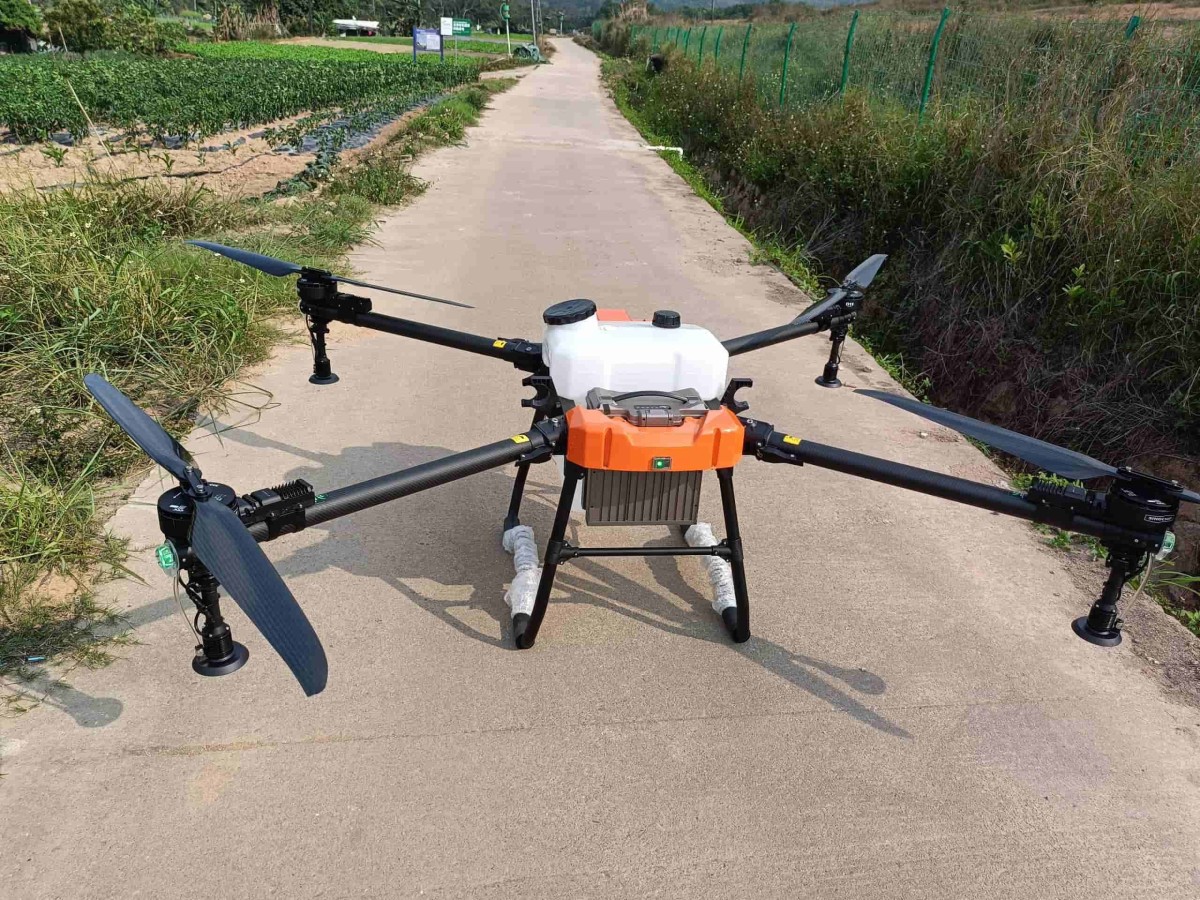
Agricultural drones — these are modern high-tech unmanned aerial vehicles used in agricultural production that carry spraying devices, photographic equipment, and other monitoring and pest/disease control equipment, as well as for crop fertilization and other operations. The use of drones for plant protection has significantly improved the efficiency and precision of agricultural operations, helped reduce pesticide and fertilizer usage, protect the ecological environment, and meet the requirements of green and sustainable development in agricultural production in China.
1. Classification of Agricultural Drones
Based on flight principles, agricultural drones are mainly divided into two types: Fixed-wing UAVs and Multi-rotor UAVs.
Fixed-wing UAVs: Similar to conventional aircraft, they offer longer flight durations and greater payload capacity, making them suitable for large-scale agricultural work.
Multi-rotor UAVs: Typically designed with four rotors, they can take off and land vertically, exhibit high maneuverability, and are better suited for operations on smaller farmlands or complex terrains.
2. Operational Process of Agricultural Drones
1. Flight Preparation: Select a suitable drone model based on crop type and operational zone, and prepare the corresponding chemicals and fertilizers.
2. Route Planning: Use professional flight planning software to ensure drones can evenly cover the operational area.
3. Takeoff and Operation: Control the drone autonomously along the planned route for tasks such as spraying and monitoring.
4. Data Collection and Analysis: Drones gather large volumes of field data that must be processed using professional software to support agricultural decision-making.
5. Landing and Maintenance: After mission completion, the drone returns to base for servicing and chemical cleaning to prepare for subsequent operations.
3. Key Technologies of Agricultural Drones
1. Navigation and Positioning: GPS-based navigation ensures precise autonomous flight along predefined routes.
2. Autonomous Flight Technology: Automated takeoff, flight, landing, and actions through pre-programming or GPS signals.
3. Precision Spraying: Accurate control of spray volume, angle adjustment, reduction of chemical waste, and environmental protection.
4. Data Processing: Efficient real-time transmission and analysis of collected data via wireless networks.
4. Advantages of Agricultural Drones
1. Improved Efficiency: Significant enhancement in agricultural operational efficiency while reducing labor costs.
2. Reduced Pollution: Precise pesticide application minimizes chemical usage and environmental impact.
3. Cost Savings: Though initial investments are high, long-term savings in workforce and material inputs are achievable.
4. High Adaptability: UAVs can operate in terrains and climates challenging for traditional machinery.
5. Application Prospects of Agricultural Drones
With continuous technological advancements, agricultural drones show broad prospects not only for pest control and fertilization but also for crop monitoring, yield assessment, growth analysis, precision farm management, and promoting modernized and digitalized agriculture in China.